Buy grosspudel.eu ?
We are moving the project
grosspudel.eu .
Are you interested in purchasing the domain
grosspudel.eu ?
domain@kv-gmbh.de · 0541-91531010
Buy grosspudel.eu ?
Why do you perform chest compressions?
Chest compressions are performed during cardiopulmonary resuscitation (CPR) to manually pump blood through the body when the heart is not able to do so effectively. This helps to maintain blood flow to vital organs, such as the brain, until more advanced medical help can arrive. The goal of chest compressions is to keep the person alive until their heart can be restarted or until emergency medical services can take over. **
What are air compressions and air dilutions?
Air compressions refer to the process of increasing the pressure of air by reducing its volume. This is typically achieved using a mechanical device such as a compressor. Air dilution, on the other hand, refers to the process of reducing the concentration of a substance in the air by mixing it with a larger volume of clean air. This can be done to reduce the concentration of pollutants or to lower the concentration of a specific gas in a confined space. Both air compressions and air dilutions are important processes in various industrial, commercial, and environmental applications. **


Similar search terms for Compressions
Top-Angebote
Products related to Compressions:
-
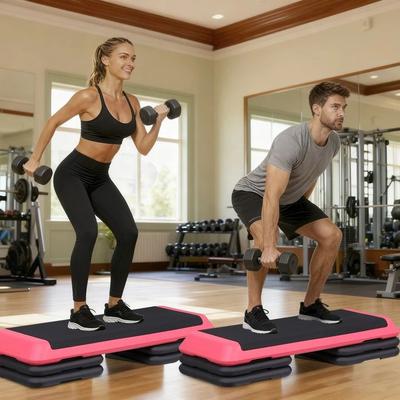
Multicon Wholesale Hub Aerobic Stepper, Adjustable Training Exercise Platform, Workout Step For Fitness, Pink Home Exercise Equipment Aerobic Stepper, Adjustable Training Exercise Platform, Workout Step For Fitness, Pink Home Exercise EquipmentElevate your fitness routine with the adjustable aerobic stepper, a musthave addition to your workout gear! Whether you're looking to lose weight, build muscle, or improve cardiovascular fitness, this stepper is your ideal workout companion. Perfect...124,97 $*Shipping: 0,00 $Secure redirect to the provider
-
SHORT BOOKS LTD Fast Exercise – The Science of High-Intensity Training for Better Health by Dr Michael Mosley Fitness, Weight Loss & Longevity BookGet fitter, healthier, and stronger—in less time. In Fast Exercise, bestselling health expert Dr Michael Mosley explores the science behind high-intensity interval training (HIIT) and explains how short, efficient workouts can deliver powerful health benefits. Backed by cutting-edge research, this book shows how brief bursts of intense activity can improve fitness, weight loss, blood sugar control, heart health, and longevity. Dr Mosley breaks down complex science into practical, easy-to-follow advice, making this book ideal for people who are short on time but serious about their health. Whether you’re new to exercise or looking to optimize your routine, Fast Exercise provides realistic, evidence-based strategies that fit into everyday life. What You’ll Learn: How HIIT boosts fitness in minutes a week The link between exercise, metabolism, and longevity Simple fast-exercise routines you can do anywhere How to improve insulin sensitivity and heart health Science-backed tips from a trusted medical expert Perfect for fans of The Fast Diet and The 5:2 Method, Fast Exercise is an essential guide to modern fitness and long-term wellbeing.1,50 £*Shipping: 1,99 £Secure redirect to the provider
-
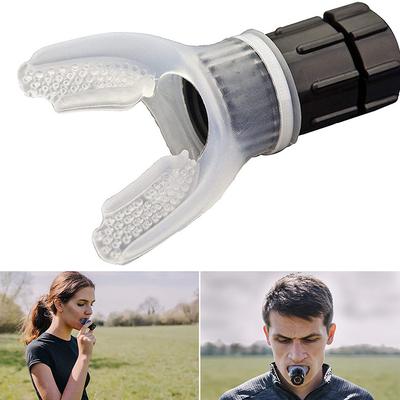
Healfit Counter Respirator Fitness Equipment, Breathing Trainer Mouthpiece, Lung Exercise Tool For Household Health Care Respirator Fitness Equipment, Breathing Trainer Mouthpiece, Lung Exercise Tool For Household Health CareEnhance your fitness and stamina with the Breathing Trainer Exercise Lung Face Mouthpiece Respirator Fitness Equipmentyour compact solution for improving lung performance and endurance. Designed for athletes, fitness enthusiasts, and anyone looking...27,97 $*Shipping: 0,00 $Secure redirect to the provider
-
Market Central Adjustable Swim Cuffs For Water Aerobics Floating Exercise Training Adjustable Swim Cuffs For Water Aerobics Floating Exercise TrainingTurn every pool session into a comfortable and effective workout with these adjustable swim cuffs designed for waterbased fitness routines. These lightweight foam cuffs provide gentle buoyancy support for your arms or ankles, making them ideal for...41,97 $*Shipping: 0,00 $Secure redirect to the provider


-
How do you perform chest compressions on a woman?
When performing chest compressions on a woman, the technique is the same as for a man. Place the heel of one hand on the center of the woman's chest, between the nipples. Place the other hand on top of the first hand and interlock the fingers. Keep your arms straight and position your shoulders directly above your hands. Press down firmly and quickly, allowing the chest to recoil completely between compressions. Remember to perform compressions at a rate of 100-120 per minute. **
-
How often do you perform chest compressions during resuscitation?
During resuscitation, chest compressions are typically performed at a rate of 100 to 120 compressions per minute. The compressions are performed continuously until emergency medical services arrive or until the person shows signs of life. **
-
What happens if you perform chest compressions without reason?
Performing chest compressions without reason can cause harm to the person receiving them. Chest compressions can cause broken ribs, damage to internal organs, and other injuries if not done properly or if not needed. It is important to only perform chest compressions when the person is in cardiac arrest and not breathing, as part of CPR. Otherwise, it is crucial to assess the situation and provide the appropriate care based on the person's condition. **
-
How to perform chest compressions on individuals with pectus excavatum?
When performing chest compressions on individuals with pectus excavatum, it is important to place the heel of your hand slightly higher on the sternum to ensure effective compression. This adjustment helps to avoid the deeper depression caused by the condition. It is also recommended to use the standard compression depth of at least 2 inches for adults and to maintain the proper rate of compressions at 100-120 per minute. Additionally, be mindful of any discomfort the individual may experience during the process and adjust your technique as needed. **
How to perform chest compressions on individuals with funnel chest?
When performing chest compressions on individuals with funnel chest, it is important to adjust the hand placement slightly. Instead of placing the heel of the hand in the center of the chest, it should be positioned slightly to the side of the sternum to avoid putting direct pressure on the depressed area. The compressions should still be performed at a rate of 100-120 per minute, with the chest being compressed at least 2 inches deep. It is crucial to ensure that the compressions are effective in order to maintain blood flow and circulation to vital organs. **
How do you perform chest compressions on individuals with pectus excavatum?
When performing chest compressions on individuals with pectus excavatum, it is important to place the heel of your hand slightly higher on the sternum to ensure effective compression. This adjustment helps to avoid putting excessive pressure on the chest wall and minimizes the risk of causing injury. It is also recommended to use the standard compression depth of at least 2 inches for adults and to maintain the proper rate of compressions, which is around 100-120 compressions per minute. Additionally, it is crucial to monitor the effectiveness of the compressions by checking for adequate chest rise and fall during CPR. **
Top-Angebote
Products related to Compressions:
-
Uplifted Finds Pro Clean Pet Ear Grooming & Health Powder Pro Clean Pet Ear Grooming & Health PowderEnsure your pets ears stay healthy and odorfree with the ProClean Pet Ear Grooming Powder. This essential healthcare tool is designed for both dogs and cats, serving as a dualpurpose solution for hygiene and grooming comfort. For breeds that grow...62,97 $*Shipping: 0,00 $Secure redirect to the provider
-
PetsAreLife Handheld Vacuum For Pet Hair Removal And Deep Grooming: Ultimate Cleaning Companion For Pet Owners Handheld Vacuum For Pet Hair Removal And Deep Grooming: Ultimate Cleaning Companion For Pet OwnersLooking for a grooming solution that combines the best of both worlds Look no further than our Portable Handheld Vacuum for Pet Hair! With its stateoftheart features and cuttingedge technology, our pet hair vacuum is the perfect tool for pet owners...29,97 $*Shipping: 0,00 $Secure redirect to the provider
-
Multicon Wholesale Hub Aerobic Stepper, Adjustable Training Exercise Platform, Workout Step For Fitness, Pink Home Exercise Equipment Aerobic Stepper, Adjustable Training Exercise Platform, Workout Step For Fitness, Pink Home Exercise EquipmentElevate your fitness routine with the adjustable aerobic stepper, a musthave addition to your workout gear! Whether you're looking to lose weight, build muscle, or improve cardiovascular fitness, this stepper is your ideal workout companion. Perfect...124,97 $*Shipping: 0,00 $Secure redirect to the provider
-
SHORT BOOKS LTD Fast Exercise – The Science of High-Intensity Training for Better Health by Dr Michael Mosley Fitness, Weight Loss & Longevity BookGet fitter, healthier, and stronger—in less time. In Fast Exercise, bestselling health expert Dr Michael Mosley explores the science behind high-intensity interval training (HIIT) and explains how short, efficient workouts can deliver powerful health benefits. Backed by cutting-edge research, this book shows how brief bursts of intense activity can improve fitness, weight loss, blood sugar control, heart health, and longevity. Dr Mosley breaks down complex science into practical, easy-to-follow advice, making this book ideal for people who are short on time but serious about their health. Whether you’re new to exercise or looking to optimize your routine, Fast Exercise provides realistic, evidence-based strategies that fit into everyday life. What You’ll Learn: How HIIT boosts fitness in minutes a week The link between exercise, metabolism, and longevity Simple fast-exercise routines you can do anywhere How to improve insulin sensitivity and heart health Science-backed tips from a trusted medical expert Perfect for fans of The Fast Diet and The 5:2 Method, Fast Exercise is an essential guide to modern fitness and long-term wellbeing.1,50 £*Shipping: 1,99 £Secure redirect to the provider
-
Why do you perform chest compressions?
Chest compressions are performed during cardiopulmonary resuscitation (CPR) to manually pump blood through the body when the heart is not able to do so effectively. This helps to maintain blood flow to vital organs, such as the brain, until more advanced medical help can arrive. The goal of chest compressions is to keep the person alive until their heart can be restarted or until emergency medical services can take over. **
-
What are air compressions and air dilutions?
Air compressions refer to the process of increasing the pressure of air by reducing its volume. This is typically achieved using a mechanical device such as a compressor. Air dilution, on the other hand, refers to the process of reducing the concentration of a substance in the air by mixing it with a larger volume of clean air. This can be done to reduce the concentration of pollutants or to lower the concentration of a specific gas in a confined space. Both air compressions and air dilutions are important processes in various industrial, commercial, and environmental applications. **
-
How do you perform chest compressions on a woman?
When performing chest compressions on a woman, the technique is the same as for a man. Place the heel of one hand on the center of the woman's chest, between the nipples. Place the other hand on top of the first hand and interlock the fingers. Keep your arms straight and position your shoulders directly above your hands. Press down firmly and quickly, allowing the chest to recoil completely between compressions. Remember to perform compressions at a rate of 100-120 per minute. **
-
How often do you perform chest compressions during resuscitation?
During resuscitation, chest compressions are typically performed at a rate of 100 to 120 compressions per minute. The compressions are performed continuously until emergency medical services arrive or until the person shows signs of life. **
Similar search terms for Compressions
-
Healfit Counter Respirator Fitness Equipment, Breathing Trainer Mouthpiece, Lung Exercise Tool For Household Health Care Respirator Fitness Equipment, Breathing Trainer Mouthpiece, Lung Exercise Tool For Household Health CareEnhance your fitness and stamina with the Breathing Trainer Exercise Lung Face Mouthpiece Respirator Fitness Equipmentyour compact solution for improving lung performance and endurance. Designed for athletes, fitness enthusiasts, and anyone looking...27,97 $*Shipping: 0,00 $Secure redirect to the provider
-
Market Central Adjustable Swim Cuffs For Water Aerobics Floating Exercise Training Adjustable Swim Cuffs For Water Aerobics Floating Exercise TrainingTurn every pool session into a comfortable and effective workout with these adjustable swim cuffs designed for waterbased fitness routines. These lightweight foam cuffs provide gentle buoyancy support for your arms or ankles, making them ideal for...41,97 $*Shipping: 0,00 $Secure redirect to the provider
-
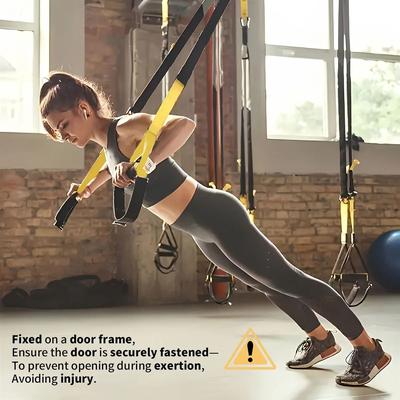
Uplift Essentials Suspended Training Belt With Bungee Resistance For Home Exercise Suspended Training Belt With Bungee Resistance For Home ExerciseBuild strength, flexibility, and balance with the Suspended Training Belt With Bungee Resistance For Home Exercise a versatile fullbody workout system perfect for pullups, pilates, resistance training, and home fitness. Key Features Durable Bungee...34,97 $*Shipping: 0,00 $Secure redirect to the provider
-
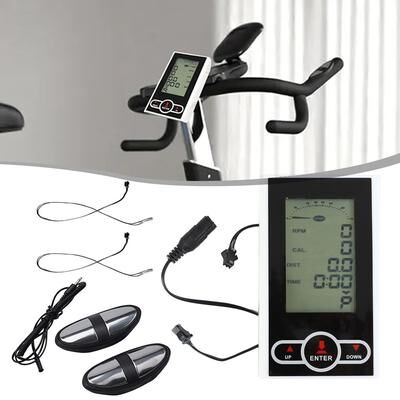
Market Central Exercise Bike Monitor Speedometer Display For Stationary Bike Training Exercise Bike Monitor Speedometer Display For Stationary Bike TrainingStay motivated and track every ride with a clear, easytoread display designed to enhance your indoor cycling experience. This exercise bike monitor helps you keep an eye on essential workout data while training at home, in the gym, or during daily...54,97 $*Shipping: 0,00 $Secure redirect to the provider
-
What happens if you perform chest compressions without reason?
Performing chest compressions without reason can cause harm to the person receiving them. Chest compressions can cause broken ribs, damage to internal organs, and other injuries if not done properly or if not needed. It is important to only perform chest compressions when the person is in cardiac arrest and not breathing, as part of CPR. Otherwise, it is crucial to assess the situation and provide the appropriate care based on the person's condition. **
-
How to perform chest compressions on individuals with pectus excavatum?
When performing chest compressions on individuals with pectus excavatum, it is important to place the heel of your hand slightly higher on the sternum to ensure effective compression. This adjustment helps to avoid the deeper depression caused by the condition. It is also recommended to use the standard compression depth of at least 2 inches for adults and to maintain the proper rate of compressions at 100-120 per minute. Additionally, be mindful of any discomfort the individual may experience during the process and adjust your technique as needed. **
-
How to perform chest compressions on individuals with funnel chest?
When performing chest compressions on individuals with funnel chest, it is important to adjust the hand placement slightly. Instead of placing the heel of the hand in the center of the chest, it should be positioned slightly to the side of the sternum to avoid putting direct pressure on the depressed area. The compressions should still be performed at a rate of 100-120 per minute, with the chest being compressed at least 2 inches deep. It is crucial to ensure that the compressions are effective in order to maintain blood flow and circulation to vital organs. **
-
How do you perform chest compressions on individuals with pectus excavatum?
When performing chest compressions on individuals with pectus excavatum, it is important to place the heel of your hand slightly higher on the sternum to ensure effective compression. This adjustment helps to avoid putting excessive pressure on the chest wall and minimizes the risk of causing injury. It is also recommended to use the standard compression depth of at least 2 inches for adults and to maintain the proper rate of compressions, which is around 100-120 compressions per minute. Additionally, it is crucial to monitor the effectiveness of the compressions by checking for adequate chest rise and fall during CPR. **
* All prices are inclusive of VAT and, if applicable, plus shipping costs. The offer information is based on the details provided by the respective shop and is updated through automated processes. Real-time updates do not occur, so deviations can occur in individual cases. ** Note: Parts of this content were created by AI.