Buy grosspudel.eu ?
We are moving the project
grosspudel.eu .
Are you interested in purchasing the domain
grosspudel.eu ?
domain@kv-gmbh.de · 0541-91531010
Buy grosspudel.eu ?
What causes muscle burning during exercise?
Muscle burning during exercise is primarily caused by the buildup of lactic acid in the muscles. When we engage in intense physical activity, our muscles require more oxygen than our body can supply, leading to the production of lactic acid as a byproduct of anaerobic metabolism. This lactic acid buildup can result in a burning sensation in the muscles. Additionally, the accumulation of metabolic byproducts, such as hydrogen ions, can also contribute to the sensation of muscle burning during exercise. **
What causes muscle twitching after exercise?
Muscle twitching after exercise can be caused by a few different factors. One common cause is muscle fatigue and overexertion, which can lead to involuntary muscle contractions or twitches. Dehydration and electrolyte imbalances can also contribute to muscle twitching, as can inadequate stretching before or after exercise. Additionally, muscle twitching can be a sign of nerve irritation or damage, so it's important to pay attention to any persistent or severe twitching and consult a healthcare professional if necessary. **
Similar search terms for Muscle
Top-Angebote
Products related to Muscle:
-
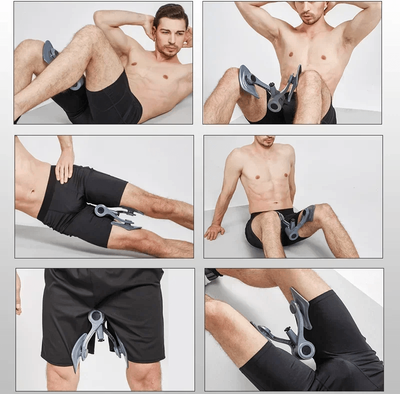
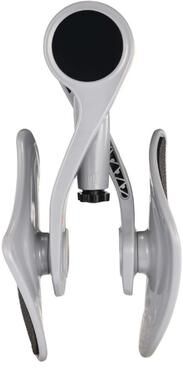
Perfect Picks Market Inner Thigh Exercise Device For Pelvic Muscle Training And Buttock Strengthening grayBoost Pelvic Health with the Pelvic Floor Muscle Trainer The Pelvic Floor Muscle Trainer Exerciser is a musthave for women looking to improve pelvic strength and overall fitness. Designed for ease of use, this device features a 360 rotating baffle...64,97 $*Shipping: 0,00 $Secure redirect to the provider

-
What causes muscle soreness after abdominal muscle training?
Muscle soreness after abdominal muscle training is caused by microscopic damage to the muscle fibers. When you engage in exercises that target the abdominal muscles, such as crunches or planks, you are essentially causing small tears in the muscle fibers. This damage triggers an inflammatory response in the body, leading to soreness and discomfort. As the muscles repair and rebuild themselves, they become stronger and more resilient, leading to improved muscle tone and strength over time. **
-
Is muscle soreness after abdominal muscle training bad or not?
Muscle soreness after abdominal muscle training is not necessarily bad. It is a common response to the stress placed on the muscles during exercise, especially if you are trying new exercises or increasing the intensity of your workout. This soreness, known as delayed onset muscle soreness (DOMS), typically peaks within 24-48 hours after exercise and is a sign that your muscles are adapting and getting stronger. However, if the soreness is severe and persistent, it may indicate overtraining or an injury, in which case it is important to rest and seek medical advice. **
-
Can excessive muscle training cause abdominal muscle tears and hernias?
Yes, excessive muscle training can potentially cause abdominal muscle tears and hernias. When muscles are overworked or strained beyond their capacity, they can tear. This can lead to the development of hernias, where the muscle tissue pushes through a weak spot in the abdominal wall. It is important to practice proper form, gradually increase intensity, and allow for adequate rest and recovery to prevent these injuries. **
-
Which muscle are you training?
I am training my quadriceps muscles. These are the muscles located on the front of the thigh and are responsible for extending the knee and straightening the leg. Exercises such as squats, lunges, and leg presses are effective for targeting and strengthening the quadriceps. **
Is it possible to exercise despite muscle soreness?
Yes, it is possible to exercise despite muscle soreness. It is important to listen to your body and adjust the intensity and type of exercise accordingly. Lighter activities such as walking, swimming, or yoga can help improve blood flow to the muscles and alleviate soreness. It is also important to properly warm up and cool down to prevent further injury. If the soreness is severe, it may be best to allow the muscles to rest and recover before engaging in intense exercise. **
Can you get muscle soreness from light exercise?
Yes, it is possible to experience muscle soreness from light exercise. Even low-intensity activities such as walking or gentle yoga can cause muscle soreness, especially if you are new to exercising or if you have not been active for a while. This soreness, known as delayed onset muscle soreness (DOMS), typically occurs 24-48 hours after the exercise and is a normal response as your muscles adapt to the new physical demands. It is important to listen to your body and gradually increase the intensity of your workouts to prevent excessive soreness and potential injury. **
Top-Angebote
Products related to Muscle:
-
Perfect Picks Market Inner Thigh Exercise Device For Pelvic Muscle Training And Buttock Strengthening blackBoost Pelvic Health with the Pelvic Floor Muscle Trainer The Pelvic Floor Muscle Trainer Exerciser is a musthave for women looking to improve pelvic strength and overall fitness. Designed for ease of use, this device features a 360 rotating baffle...64,97 $*Shipping: 0,00 $Secure redirect to the provider
-
Multisell Products Hub Inner Thigh Exercise Device For Pelvic Muscle Training And Buttock Strengthening greyUpgrade Your Home Exercise Routine Transform your home workouts with the Upgraded Pelvic Muscle Trainer. This unique device targets your inner thighs, pelvic muscles, and buttocks for a complete strengthbuilding workout. Whether youre looking to...64,97 $*Shipping: 0,00 $Secure redirect to the provider
-
Perfect Picks Market Inner Thigh Exercise Device For Pelvic Muscle Training And Buttock Strengthening grayBoost Pelvic Health with the Pelvic Floor Muscle Trainer The Pelvic Floor Muscle Trainer Exerciser is a musthave for women looking to improve pelvic strength and overall fitness. Designed for ease of use, this device features a 360 rotating baffle...64,97 $*Shipping: 0,00 $Secure redirect to the provider
-
What causes muscle burning during exercise?
Muscle burning during exercise is primarily caused by the buildup of lactic acid in the muscles. When we engage in intense physical activity, our muscles require more oxygen than our body can supply, leading to the production of lactic acid as a byproduct of anaerobic metabolism. This lactic acid buildup can result in a burning sensation in the muscles. Additionally, the accumulation of metabolic byproducts, such as hydrogen ions, can also contribute to the sensation of muscle burning during exercise. **
-
What causes muscle twitching after exercise?
Muscle twitching after exercise can be caused by a few different factors. One common cause is muscle fatigue and overexertion, which can lead to involuntary muscle contractions or twitches. Dehydration and electrolyte imbalances can also contribute to muscle twitching, as can inadequate stretching before or after exercise. Additionally, muscle twitching can be a sign of nerve irritation or damage, so it's important to pay attention to any persistent or severe twitching and consult a healthcare professional if necessary. **
-
What causes muscle soreness after abdominal muscle training?
Muscle soreness after abdominal muscle training is caused by microscopic damage to the muscle fibers. When you engage in exercises that target the abdominal muscles, such as crunches or planks, you are essentially causing small tears in the muscle fibers. This damage triggers an inflammatory response in the body, leading to soreness and discomfort. As the muscles repair and rebuild themselves, they become stronger and more resilient, leading to improved muscle tone and strength over time. **
-
Is muscle soreness after abdominal muscle training bad or not?
Muscle soreness after abdominal muscle training is not necessarily bad. It is a common response to the stress placed on the muscles during exercise, especially if you are trying new exercises or increasing the intensity of your workout. This soreness, known as delayed onset muscle soreness (DOMS), typically peaks within 24-48 hours after exercise and is a sign that your muscles are adapting and getting stronger. However, if the soreness is severe and persistent, it may indicate overtraining or an injury, in which case it is important to rest and seek medical advice. **
Similar search terms for Muscle
-
Can excessive muscle training cause abdominal muscle tears and hernias?
Yes, excessive muscle training can potentially cause abdominal muscle tears and hernias. When muscles are overworked or strained beyond their capacity, they can tear. This can lead to the development of hernias, where the muscle tissue pushes through a weak spot in the abdominal wall. It is important to practice proper form, gradually increase intensity, and allow for adequate rest and recovery to prevent these injuries. **
-
Which muscle are you training?
I am training my quadriceps muscles. These are the muscles located on the front of the thigh and are responsible for extending the knee and straightening the leg. Exercises such as squats, lunges, and leg presses are effective for targeting and strengthening the quadriceps. **
-
Is it possible to exercise despite muscle soreness?
Yes, it is possible to exercise despite muscle soreness. It is important to listen to your body and adjust the intensity and type of exercise accordingly. Lighter activities such as walking, swimming, or yoga can help improve blood flow to the muscles and alleviate soreness. It is also important to properly warm up and cool down to prevent further injury. If the soreness is severe, it may be best to allow the muscles to rest and recover before engaging in intense exercise. **
-
Can you get muscle soreness from light exercise?
Yes, it is possible to experience muscle soreness from light exercise. Even low-intensity activities such as walking or gentle yoga can cause muscle soreness, especially if you are new to exercising or if you have not been active for a while. This soreness, known as delayed onset muscle soreness (DOMS), typically occurs 24-48 hours after the exercise and is a normal response as your muscles adapt to the new physical demands. It is important to listen to your body and gradually increase the intensity of your workouts to prevent excessive soreness and potential injury. **
* All prices are inclusive of VAT and, if applicable, plus shipping costs. The offer information is based on the details provided by the respective shop and is updated through automated processes. Real-time updates do not occur, so deviations can occur in individual cases. ** Note: Parts of this content were created by AI.